Indigenizing Early Childhood Education: Positioning Caribbean practices at the heart of Caribbean Early Childhood Education
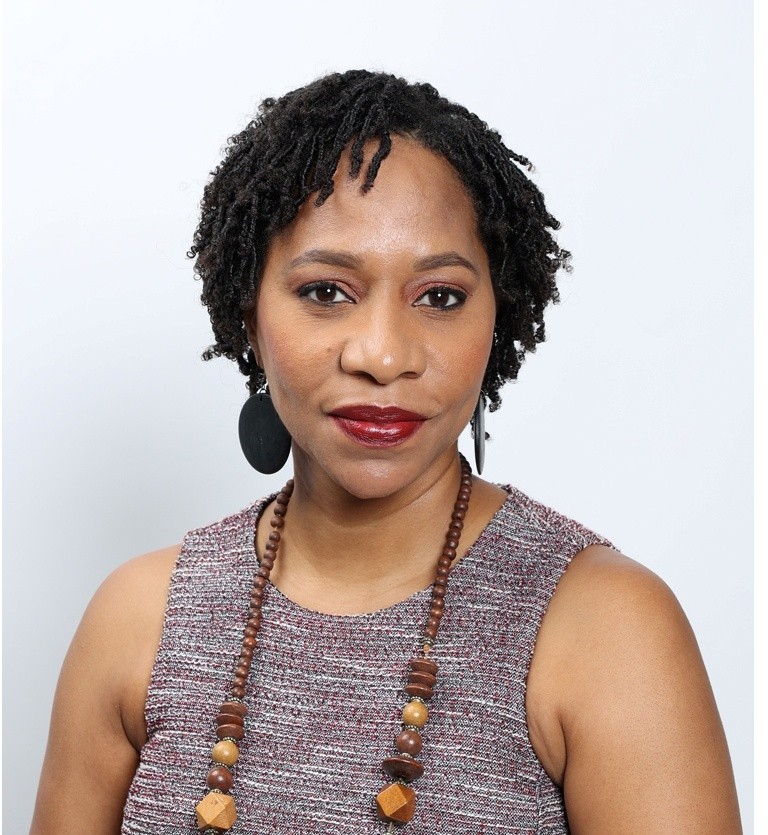
Tuesday, October 6, 2026 - 09:14Zoyah Kinkead-Clark is Professor of Early Childhood Care and Education at The University of the West Indies, Mona. In addition, she is Deputy Dean of Graduate Studies in the Faculty of Humanities and Education and the Manager of the Dudley Grant Early Childhood Resource Centre.
A few years ago, I attended one of the largest European education conferences. The conference was wonderful. I had an amazing time listening to engaging research on topics relevant to early childhood care and education, and I formed wonderful professional relationships as I networked with colleagues from across the globe. While I don’t remember all the presentations I attended, one that remains indelibly etched in my mind focused on playground quality. The presenter discussed the quality standards of playground spaces by assessing the amount of plastic and metal playground equipment available for children to play on, as opposed to natural green spaces. The pendulum has swung to the other side, where natural play spaces are now recognised as higher-quality than purchased play equipment.
In as much as I found the presentation intriguing, I was primarily struck by the challenges faced by Caribbean nations that have to navigate the changing practices promoted by different stakeholders in early childhood care and education. Previously, most of our early childhood centres did not have “fancy” playground equipment for our children to play. Children made do with wide open spaces. They used their creativity to engage in play activities that came naturally to them. Games such as ring games, football, catch and racing were frequently observed.
Interestingly, as the years progressed and in a bid to “improve” our schools and informed by “first world research”, many schools raised funds to replace green spaces with play equipment. In some instances, overnight green spaces were replaced by slides, swings and jungle gyms. Unquestionably, the children slowly enjoyed the fancy equipment; the movements and songs which were a part of playing ring-games were replaced by bodies shuttling down slides. Children’s creativity was replaced by the seemly robotic play which came with using play equipment. At the same time, little consideration was given to the safety of the metal and plastic play equipment for children in the harsh, hot Caribbean weather. On a daily basis, children would have to be cautioned about the dangers of extremely hot slides and monkey bars and the blisters they would get if they used them. Unfortunately, metal slides which had been slowly baked by the Caribbean sunshine would be beautiful to look at but sadly not much use. Plastic equipment would quickly crystalise, develop sharp edges and would inevitably need to be frequently replaced.
The above-mentioned scenarios affirm some of the challenges Caribbean nations face in early childhood education. In 2017, I wrote an article entitled “Early childhood care and education in Jamaica. Stakeholders’ perceptions of global influences on a local space”. In this article I focused on early years teachers, who, in many instances, were asked to disregard or put aside culture, context and their funds of knowledge to adopt educational practices which were imported from other contexts. Usually, these imported practices were classified as “high quality”. One of my conclusions was to speak to the dangers of the wholesale importation of such practices and the risk to children when they are not able to see themselves reflected in their classrooms. I also addressed the importance of indigenizing early childhood education as nations attempt to improve early childhood quality.
“As countries with diverse peoples, we must position these cultures and practices at the heart of early care an education. This is not about shunning practices from other countries.”
Now more than ever, across the Caribbean there has been a wave of efforts to improve the quality of early childhood care and education offerings to young children. There is increasing acceptance that improving student outcomes at all levels must begin with investing in high-quality early childhood programmes. Acknowledging that the impetus behind this investment is varied, one very important and time-bound driving force is to meet the Sustainable Development Goals (SDGs). Goal 4 focuses on quality education. To achieve this objective, governments are investing heavily in teacher professional development, infrastructure development and curriculum reform. These investments are essential given the challenges many Caribbean countries have faced in recent years. As we work toward these improvements, it is critical to consider the context and culture of children.
Though many Caribbean countries have achieved independence within the past 60 years, our education systems have not changed much. In fact, education within former Colonies remains heavily influenced by Euro-American practices. It is still the case that philosophical underpinnings guiding curriculum development are typically imported, teachers still feel compelled to design classroom spaces in ways promoted by others. My colleague, Kerry-Ann Escayg and I also discussed these dangers. In a published paper, “Mapping the Contours of Caribbean Early Childhood Education” we advocate for Caribbean centric approaches to early childhood care and education across the region. We caution against mimicry of practices and argue that an “anti-colonial and decolonizing perspective” must be taken. Educators must boldly shun positions that overtly and covertly devalue Caribbean culture in Early Childhood Education while privileging practices of others.
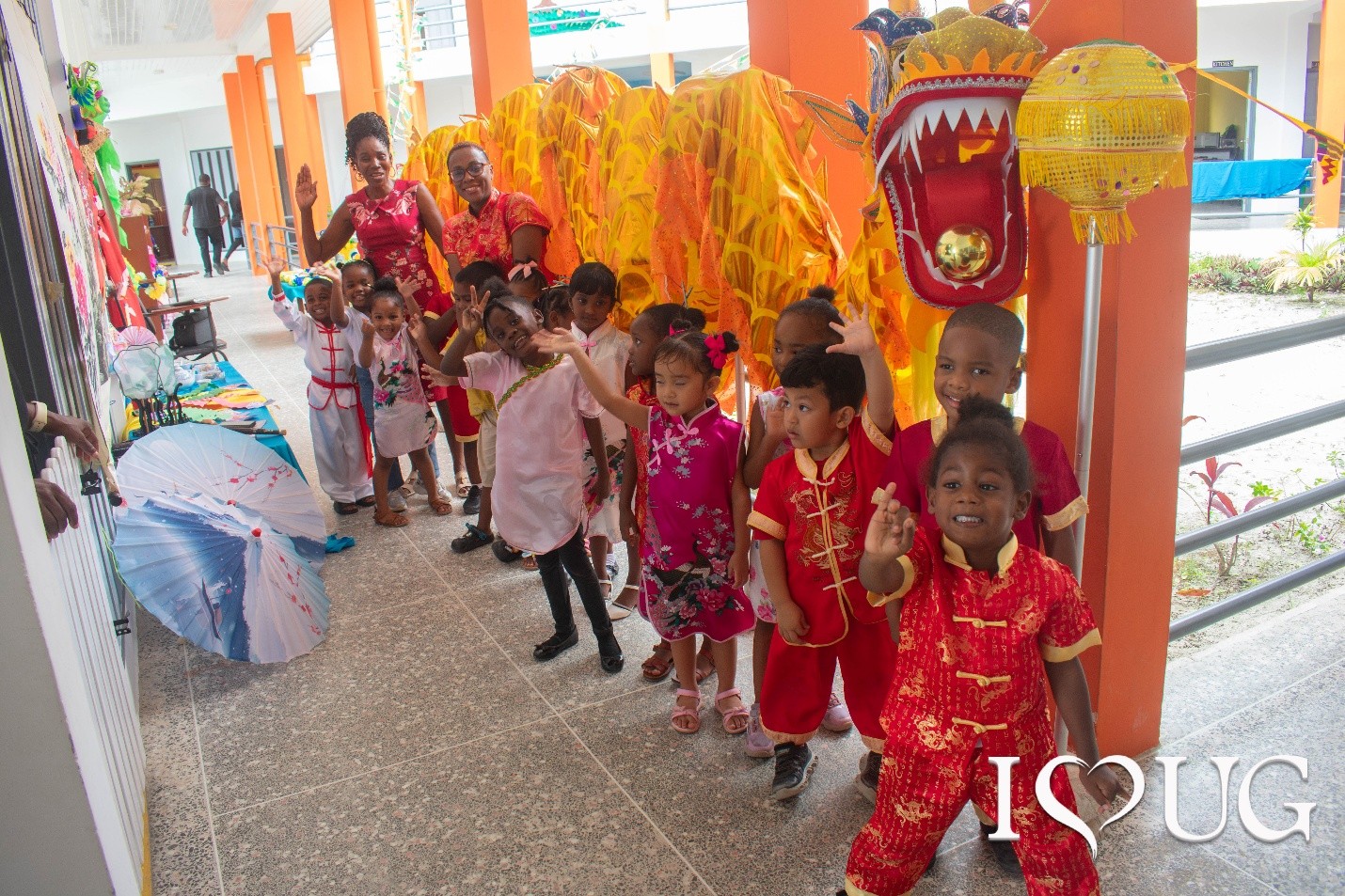
The Caribbean has the potential to boldly lead in the decolonizing frontier. As countries with diverse peoples, we must position these cultures and practices at the heart of early care an education. This is not about shunning practices from other countries. Rather we maintain that our Caribbean children must see themselves reflected in their classrooms. Indigenizing Education is not about ignoring European American or Colonial perspectives on education. Rather, as suggested by Sammel, et al. (2020), it “means incorporating knowledges and perspectives that honour and respect First Peoples into teaching and learning activities wherever these activities occur”.
As we work toward these goals, we must fulsomely commit to them. Our children deserve and our communities need this.
References
Escayg, K. A., & Kinkead-Clark, Z. (2018). Mapping the Contours of Caribbean Early Childhood Education. Global Education Review, 5(4), 236-253.
Kinkead-Clark, Z. (2017). Early childhood care and education in Jamaica. Stakeholders’ perceptions of global influences on a local space. Early Child Development and Care, 187(10), 1484-1495.
Sammel, A., Whatman, S., & Blue, L. (2020). Indigenizing education: Lessons learned, pathways forward. In Indigenizing education: Discussions and case studies from Australia and Canada (pp. 193-210). Singapore: Springer Singapore.